Soil Health Education
The soil is where it all begins. Healthy soil can provide what crops need to thrive. But it doesn’t happen by accident, it takes intentional planning and adjustments to build up what plants need. What we’ve learned throughout decades in agriculture and by working with growers across the country, is that no two farms are the same. We take this to heart, applying what we know to help each grower get closer to their on-farm goals by building a healthier, more productive soil.
Soil Health
Humic Acid and Returning Soil To A Healthy State
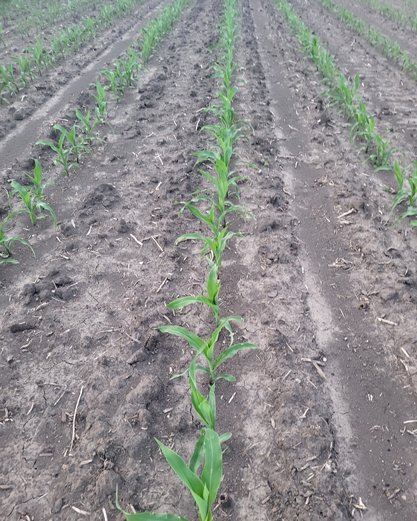
After generations of overuse, most soils have been depleted of humus and organic matter. Regular use of humic acid products can help to restore soil health for all types of soils by improving soil structure, soil drainage and water retention.
Soil Health
Microbes and Soil Health
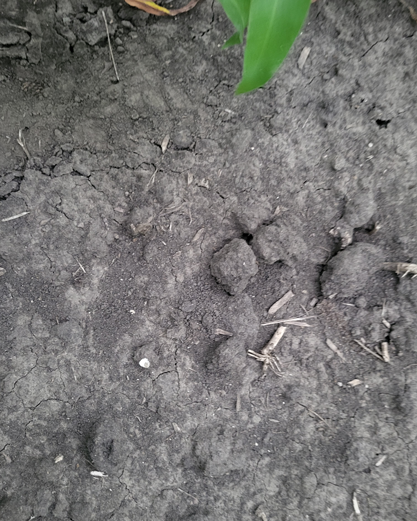
Much attention has been paid to the physical fertility (soil structure, drainage capabilities) and chemical fertility (micronutrients and macronutrients) over the years, leaving the biological fertility (organisms) a distant third. However, it’s critical to consider the biological makeup of the soil to support the health and optimization of the other two areas of fertility.
Soil Health
Tillage Practices, Soil Health and Using Humic Products to Reduce Tillage
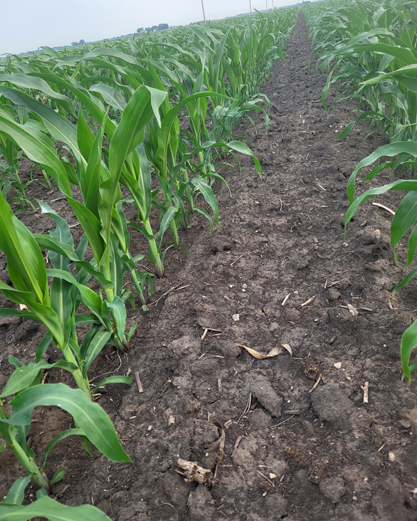
In recent years, growers have increased adoption of conservation tillage and no-till practices. This helps to increase soil microbial biomass and enzymatic activity. Humic acid products can further support these important organisms and help growers reduce tillage practices.
Plant Health
Breaking Down Nitrogen
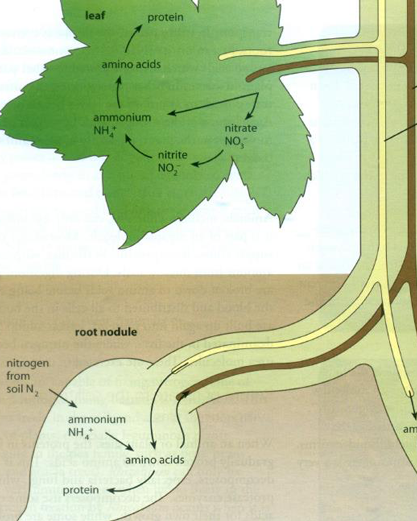
While nitrogen is a key nutrient for plant growth, it’s also a difficult one for a plant to acquire as plants can only use plant-available forms of nitrogen. Most commercial sources of nitrogen must go through the nitrogen cycle before being in a form that is readily available to plants. Organic nitrogen products are different as these nitrogen products are already in a form that a plant can access and use.
Plant Health
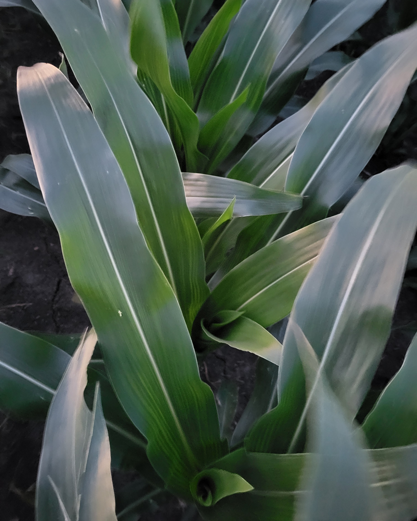
Building BRIX in Plants
Brix is a scale for measuring sugar content in a plant. It can also signal plant health or a plant’s ability to mitigate stress. Building up brix levels can be done by ensuring the plant has proper nutrients to support critical processes such as photosynthesis.
Plant Health
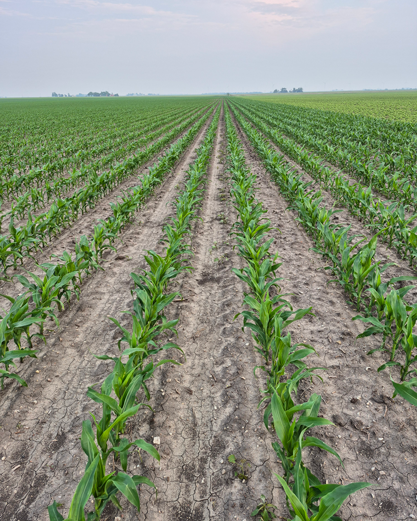
SoilBiotics SB 4400 Biofilms
While the industry is growing more accustomed to accounting for soil microbes, there are also microbes found throughout the plant from the stem to the leaves. Many of these are beneficial but some can be harmful to the plant. Some of the good microbes create a biofilm over leaves that helps to protect the plant from harmful pathogens.
Humates & General Information
Humic Acid Explained
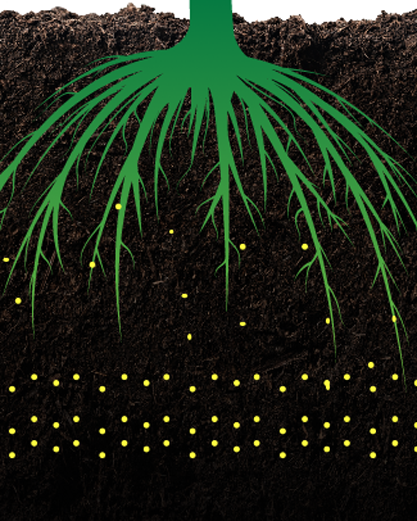
What is Humic Acid? Complex molecules that exist naturally in soils, peats, oceans and fresh waters, humic acids are a natural way to provide plants and soil with essential nutrients, vitamins and trace elements.

Humates & General Information
Effects of Humic Acid in Agriculture
Humates are an accessible raw material that can be used in agriculture to replace the humus and organic material that modern practices have removed from overworked soil. They are a part of soil humus and play an important role in the living organism.
Humates & General Information
Benefits of Humic Substances versus Urease Inhibitors
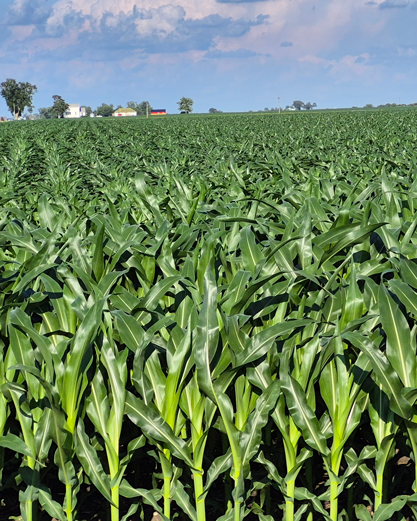
Benefits of Humic Substances versus Urease Inhibitors: Humic substances can provide a concentrated and economical form of organic matter that can replace humus depletion caused by salty fertilizers in conventional agriculture. Sufficient humic substances in soil help to retain nutrients and make them more plant available while improving soil health.
Archived
A Visual Comparison of Crops Treated with SoilBiotics Products
View photos comparing corn and soybean crops treated with SoilBiotics products to see how SoilBiotics products support a more robust crop that can mitigate stress throughout the season.